New data highlight on multidrug‑resistant Enterobacterales in Swedish wastewater effluent
Published: 2026-03-30
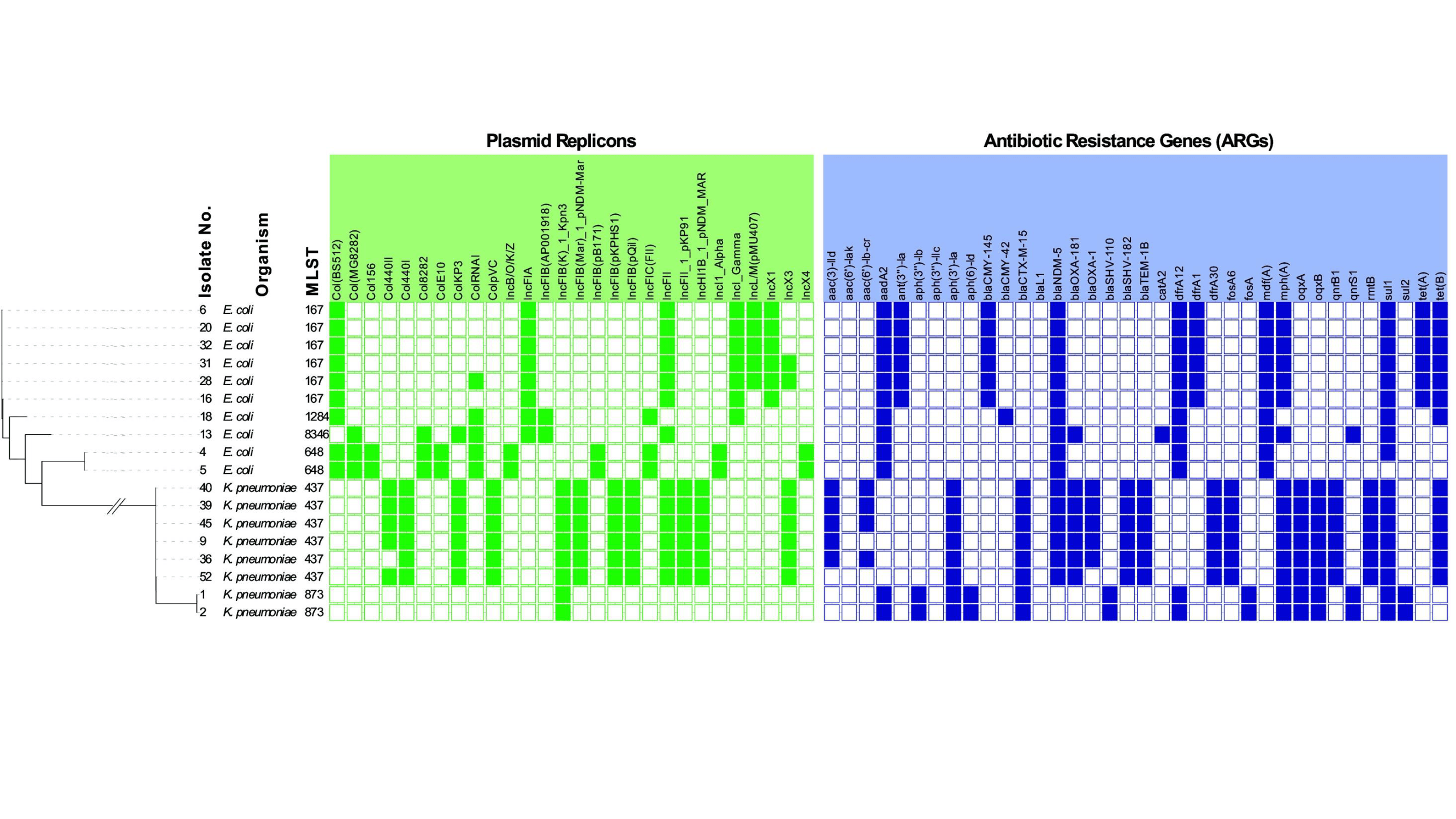
Our latest data highlight ‘multidrug‑resistant Enterobacterales in Swedish wastewater effluent’ details the work of Axelsson et al. (2026). The research focused on the sudden emergence of carbapenem-resistant Enterobacterales (CRE) in outlet water from the Kristianstad wastewater treatment plant (WWTP).
Axelsson et al. (2026) integrated culture-based screening, real-time PCR, MALDI-TOF identification, and whole-genome sequencing to analyse CRE isolates collected during two weeks of intense sampling between September and October 2024. The study identified E. coli and K. pneumoniae sequence types that represent significant threats to public health, many of which possessed genes indicating multidrug resistance. After a decade without CRE detections, this sudden emergence in wastewater effluent entering lake Hammarsjön underscores wastewater surveillance as crucially important for tracking resistant pathogens escaping clinical surveillance.
This work offers critical insights for antimicrobial resistance monitoring and environmental microbiology, revealing how high-risk CRE silently infiltrate aquatic systems in low-prevalence settings. Researchers investigating One Health surveillance, plasmid-mediated resistance spread, wastewater epidemiology, or high-risk clonal dynamics will find this resource particularly valuable.
To find out more about the study, please read the latest data highlight.
If you are interested in having your work in the areas of pandemic preparedness and/or infectious disease promoted, please contact us.